
Experience Comfortable Wisdom Teeth Removal in Tigard
The caring team at Premier Dental & Implants provides gentle wisdom teeth removal in Tigard to help patients protect their long-term oral health and avoid future complications. Wisdom teeth often emerge during the late teenage years or early adulthood, but they do not always have enough room to grow properly.
Wisdom teeth removal can help patients:
- Relieve jaw pain and pressure
- Prevent crowding and damage to neighboring teeth
- Reduce the risk of infection and gum problems
- Improve oral hygiene access
- Avoid future dental complications
Early evaluation allows us to identify concerns before they become more serious and painful. Visit us soon to see if wisdom teeth removal is something you or your teen should consider.
When Wisdom Teeth Should Be Removed
Wisdom teeth are the final set of molars to develop, typically appearing between the ages of 17 and 25. In many cases, there simply is not enough space in the jaw for them to erupt normally. As a result, wisdom teeth may become impacted, partially erupted, or grow at an unhealthy angle.
Some common signs that wisdom teeth may need removal include:
- Jaw pain or stiffness
- Swollen or tender gums
- Recurrent infections
- Difficulty opening the mouth
- Headaches or facial pressure
- Crowding of surrounding teeth
Many patients feel nervous about oral surgery, but our compassionate team is here to make the process as comfortable and stress-free as possible. We carefully evaluate each patient's needs using detailed imaging and personalized treatment planning. Our goal is to provide safe, efficient care while helping patients feel relaxed and informed throughout the process.
Removing wisdom teeth at the right time can help protect your oral health for years to come. If you are experiencing discomfort or have been told your wisdom teeth may need attention, contact our office today to learn more about wisdom teeth removal in Tigard.
Free Cosmetic or Implant Consultation for New Patients
Receive a free cosmetic or dental implant consultation from Premier Dental & Implants.
This offer is available to new patients only, and cannot be combined with any other offer. Offer has no cash value and is available for a limited time. Includes a consultation only, with no other services.
Find Out What Our Patients are Saying
We're always honored when patients take the time to share their experiences with our practice. Find out what people are saying about their visits with us. You'll discover why our office is a trusted choice for dental implants, cosmetic treatments, and other oral care.
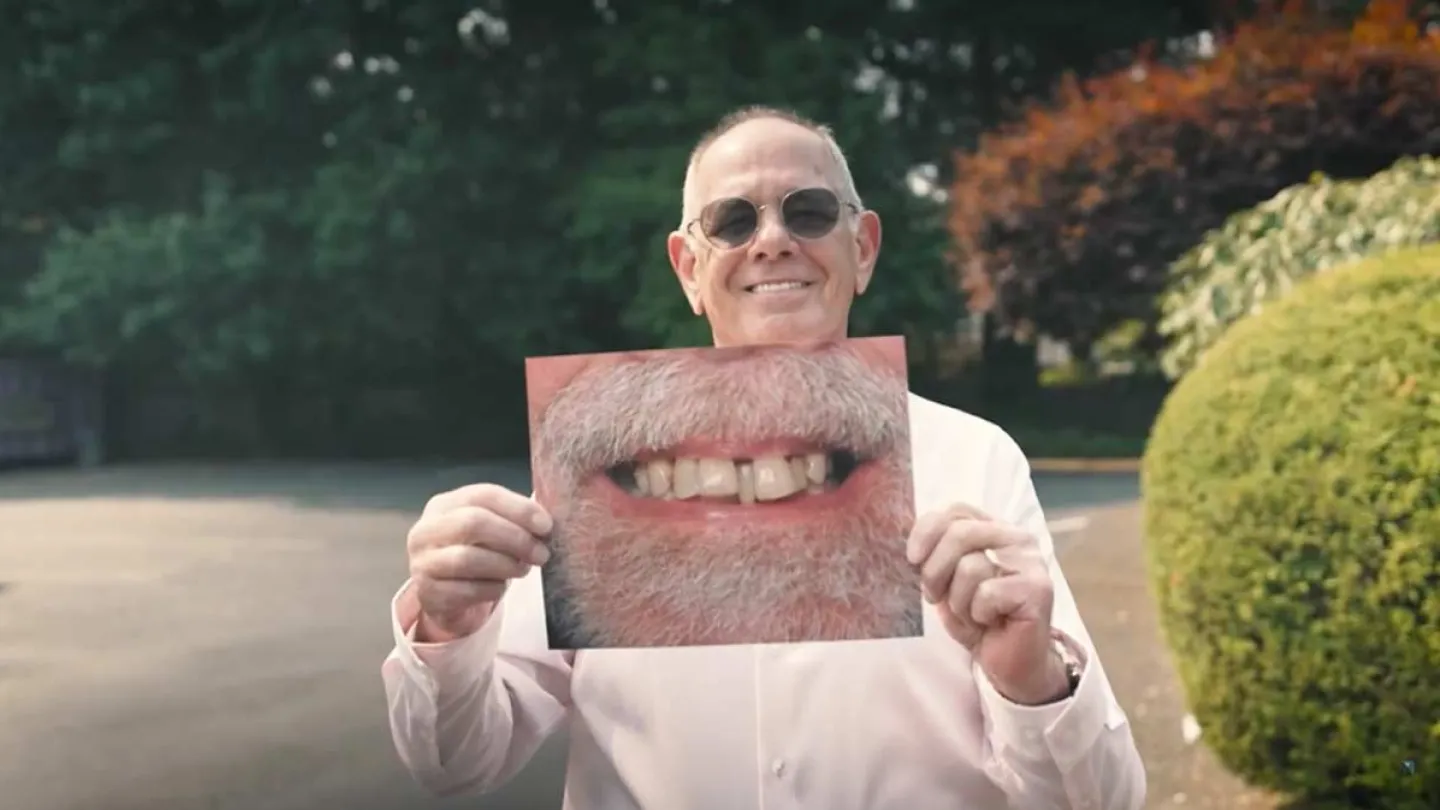




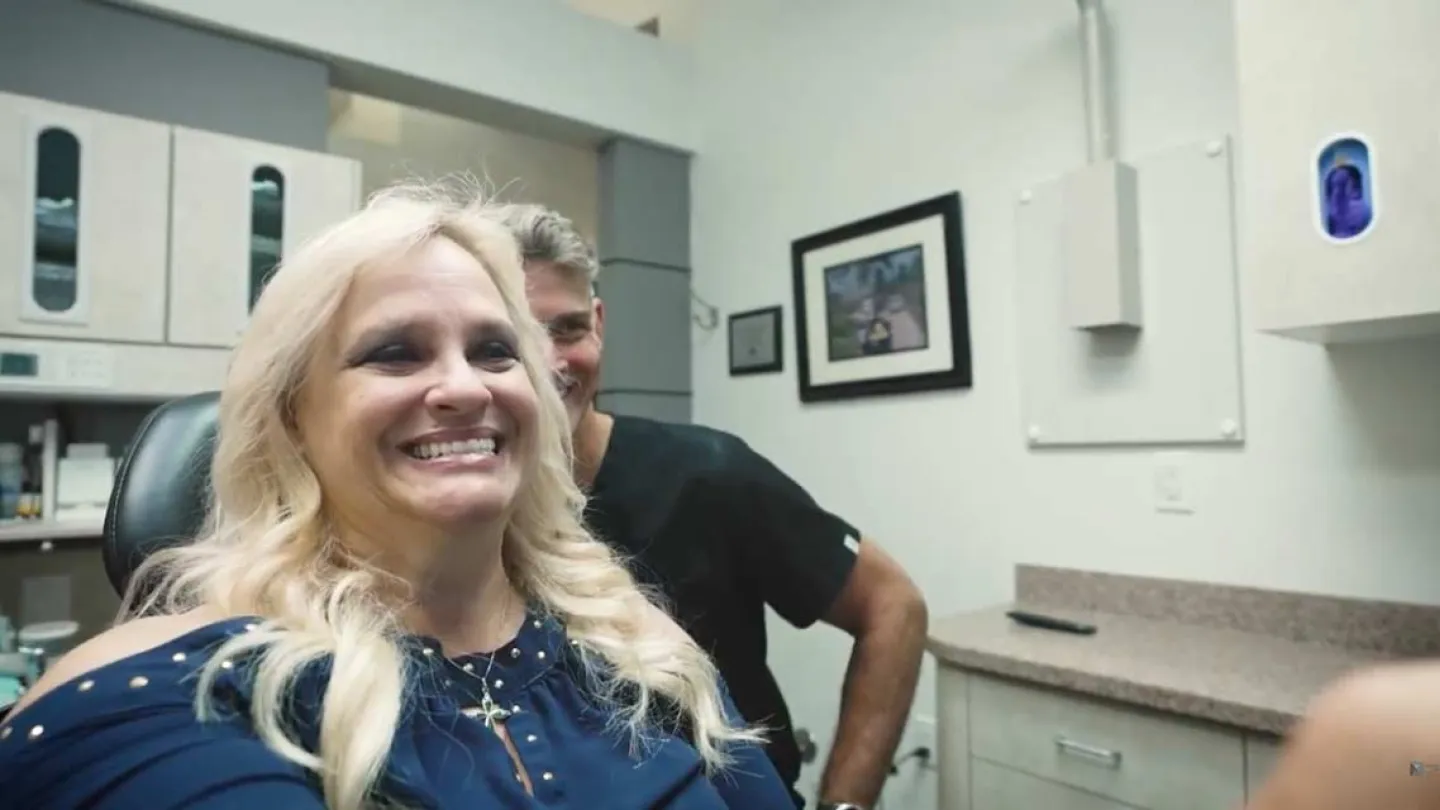

Overcoming Dental Fear and Restoring His Smile
– Steve
Same-Day Crowns
– Dave S.

Why He Keeps Coming Back to Premier Dental
– Gene P.

Her Dental Implant Experience with Dr. Williams
– Louise L.

Quality Care with Dr. Williams
– Richard P.

Her Implant Experience
– Rosemary V.

From Embarrassment to Empowerment with Implants
– Ron

Implants Restored Her Smile and Confidence
– Annette

How We Helped Doug Smile, Laugh, and Eat Again
– Doug
Common Questions About Wisdom Teeth Removal
Why do wisdom teeth need to be removed?
Wisdom teeth often need removal because there is not enough room in the jaw for them to erupt properly. When wisdom teeth become impacted, partially erupted, or grow at an angle, they can cause pain, swelling, infection, crowding, and damage to neighboring teeth. Even when they are not currently painful, wisdom teeth may create hidden problems beneath the gums. Removing them early can help prevent more serious complications later.
What are impacted wisdom teeth?
Impacted wisdom teeth are teeth that become trapped beneath the gums or jawbone because they cannot fully erupt into the mouth. This commonly occurs when there is insufficient space in the jaw. Impacted wisdom teeth may remain completely hidden or partially emerge through the gums. They can lead to pain, infection, swelling, jaw pressure, cysts, or damage to nearby teeth. In many cases, impacted teeth are difficult to clean properly, increasing the risk of gum disease and decay.
At what age should wisdom teeth be removed?
Wisdom teeth are most commonly removed between the ages of 17 and 25 because the roots are still developing and healing tends to be easier during younger adulthood. However, wisdom teeth can be removed safely at older ages as well. Early evaluation allows dentists to monitor growth and identify potential issues before symptoms become severe. Some patients may never need wisdom teeth removal if the teeth erupt normally and remain healthy.
Is wisdom teeth removal painful?
Wisdom teeth removal is generally much more comfortable than many patients expect. The treatment area is carefully numbed, and sedation options may be available to help patients feel relaxed during the procedure. Most patients experience pressure rather than pain while the teeth are being removed. After surgery, mild swelling and soreness are normal but usually manageable with prescribed or over-the-counter medications.
How long does recovery take after wisdom teeth removal?
Most patients recover from wisdom teeth removal within several days to one week, although complete healing beneath the gums may take longer. Swelling and mild discomfort are most common during the first 48 to 72 hours after surgery. Rest, hydration, soft foods, and proper aftercare all help support smooth healing. Patients are typically advised to avoid smoking, drinking through straws, or strenuous activity immediately after treatment to reduce the risk of complications.
What can I eat after wisdom teeth removal?
After wisdom teeth removal, patients should stick to soft foods that are easy to chew and unlikely to irritate the surgical areas. Popular choices include yogurt, applesauce, mashed potatoes, smoothies, soup, scrambled eggs, and pasta. Crunchy, spicy, or hard foods should be avoided during early healing because they can disturb the surgical sites. Staying hydrated is also important, but patients should avoid drinking through straws to prevent dry socket. As healing progresses, most patients gradually return to a normal diet.
What is dry socket after wisdom tooth extraction?
Dry socket is a condition that can occur when the protective blood clot at the extraction site becomes dislodged or dissolves too early. Without this clot, the underlying bone and nerves become exposed, causing significant pain and delayed healing. Dry socket is more likely to occur when patients smoke, use straws, or disturb the surgical area during recovery. Symptoms may include severe throbbing pain, bad breath, or an unpleasant taste. Fortunately, dry socket is treatable.
Can wisdom teeth cause headaches or jaw pain?
Yes, wisdom teeth can contribute to headaches, jaw pain, facial pressure, and discomfort when they become impacted or crowded. As wisdom teeth push against surrounding structures, they may place pressure on the jaw and neighboring teeth. Inflammation or infection around partially erupted wisdom teeth can also create discomfort that radiates into the face or head. Patients sometimes notice stiffness when opening the mouth or chewing. Removing problematic wisdom teeth often relieves these symptoms and prevents future complications.
Are wisdom teeth always removed?
No, wisdom teeth do not always require removal. If the teeth erupt normally, are easy to clean, and do not cause crowding or oral health problems, they may simply be monitored during routine dental visits. However, many wisdom teeth eventually create issues due to lack of space or poor positioning. Even asymptomatic wisdom teeth can sometimes increase the risk of gum disease, cysts, or decay. Regular dental exams and X-rays help determine whether wisdom teeth should remain in place or be removed proactively.
How do I know if my wisdom teeth are causing problems?
Signs of problematic wisdom teeth may include jaw pain, swelling, headaches, gum tenderness, bad breath, difficulty chewing, or repeated infections near the back molars. Some patients also experience crowding or shifting of nearby teeth. However, wisdom teeth can sometimes cause hidden issues without noticeable symptoms. That is why regular dental exams and X-rays are important for monitoring wisdom tooth development.