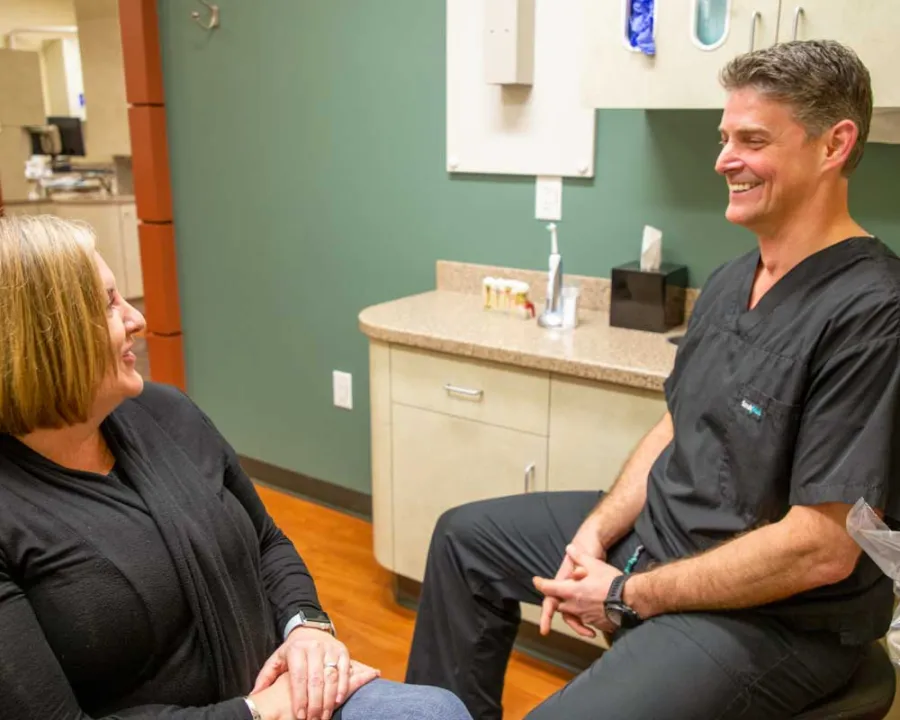
Personalized Medically Complex Dental Care in Tigard
At Premier Dental & Implants, we provide medically complex dental care in Tigard designed to help patients receive safe, comfortable, and personalized treatment. Whether you are managing diabetes, heart disease, autoimmune disorders, cancer treatment, or other medical conditions, our team works carefully to protect both your oral and overall health.
Medically complex dental care can help patients:
- Receive dental treatment safely and comfortably
- Reduce the risk of oral infections and complications
- Coordinate care with physicians and specialists
- Manage oral side effects from medications or illness
- Maintain better overall health through preventive dentistry
Oral health and overall health are closely connected. Conditions such as diabetes and heart disease can increase the risk of gum disease and infections, while oral inflammation may also impact systemic health. By maintaining healthy teeth and gums, patients may reduce complications and improve overall wellness.
Dental Considerations for Patients With Medical Conditions
Many medical conditions and medications can affect oral health. Our patients undergoing chemotherapy or radiation therapy may experience dry mouth, oral sores, increased sensitivity, or higher cavity risk. Those with autoimmune disorders may struggle with inflammation or delayed healing, and certain medications can increase bleeding risk or affect the body's response to dental treatment.
Our team carefully evaluates these factors before beginning treatment. We may coordinate with your physician or specialist to ensure procedures are completed safely and with proper precautions. This collaborative approach allows us to provide dental care that supports your broader healthcare plan.
Common conditions we frequently accommodate include:
- Diabetes
- Heart disease
- High blood pressure
- Cancer treatment
- Autoimmune disorders
- Osteoporosis
- Anxiety disorders
- Neurological conditions
Every patient deserves compassionate care that respects their individual health needs. If you are seeking medically complex dental care in Tigard, our office is committed to helping you receive safe, personalized treatment in a welcoming environment.
$79 New Patient Dental Exam & Consultation
Get a new patient comprehensive dental exam and consultation with Dr. Williams or Dr. Madani that includes a detailed inspection of your mouth using a miniature video camera, laser-diagnosed cavity detection, gum disease and oral cancer screening, plus all necessary digital imaging.
Offer only available to new patients without insurance. Dental cleaning is not included in special offer. This offer carries no cash value and cannot be combined with any other offer or dental insurance. Offer available for a limited time only.
Find Out What Our Patients are Saying
We're always honored when patients take the time to share their experiences with our practice. Find out what people are saying about their visits with us. You'll discover why our office is a trusted choice for dental implants, cosmetic treatments, and other oral care.










Overcoming Dental Fear and Restoring His Smile
– Steve

Same-Day Crowns
– Dave S.

Why He Keeps Coming Back to Premier Dental
– Gene P.

Her Dental Implant Experience with Dr. Williams
– Louise L.

Quality Care with Dr. Williams
– Richard P.

Her Implant Experience
– Rosemary V.

From Embarrassment to Empowerment with Implants
– Ron

Implants Restored Her Smile and Confidence
– Annette

How We Helped Doug Smile, Laugh, and Eat Again
– Doug
Common Questions About Medically Complex Dental Care
What is medically complex dental care?
Medically complex dental care focuses on safely treating patients with chronic illnesses, serious medical conditions, or complicated health histories. These patients may require additional planning, physician coordination, or modifications to standard dental treatment. Conditions such as diabetes, heart disease, cancer treatment, autoimmune disorders, or bleeding disorders can all affect oral health and dental care decisions.
Can I go to the dentist if I have serious medical conditions?
Yes, patients with serious medical conditions should continue receiving regular dental care. In fact, preventive dental treatment is often even more important for medically compromised individuals because oral infections and inflammation can sometimes worsen systemic health problems. Our Tigard dental office carefully reviews your medical history, medications, and physician recommendations before treatment begins. We may coordinate directly with your healthcare providers when necessary to ensure safe care.
How does diabetes affect dental health?
Diabetes can increase the risk of gum disease, dry mouth, delayed healing, and oral infections. High blood sugar levels may make it harder for the body to fight bacteria and inflammation in the gums. Patients with uncontrolled diabetes may also experience slower recovery after dental procedures. Maintaining healthy teeth and gums is especially important because gum disease can make diabetes more difficult to manage.
Why is dental care important during cancer treatment?
Cancer treatment can significantly affect oral health, making preventive dental care extremely important. Chemotherapy and radiation therapy may cause dry mouth, mouth sores, sensitivity, increased cavity risk, and difficulty eating comfortably. In some cases, oral infections can interfere with cancer treatment or recovery. Maintaining oral health during cancer therapy can improve comfort, nutrition, and quality of life throughout treatment and recovery.
Can heart disease affect dental treatment?
Yes, heart disease can influence dental treatment planning and oral health management. Certain heart conditions may increase the risk of complications from infections or invasive dental procedures. Patients taking blood thinners or medications for cardiovascular disease may require adjustments before treatment. Additionally, research suggests a connection between gum disease and heart health due to inflammation and bacterial spread.
Are dental procedures safe for medically complex patients?
Dental procedures can absolutely be safe for medically complex patients when treatment is properly planned and individualized. Our dental team takes time to review your medical conditions, medications, allergies, and healthcare recommendations before beginning any procedure. We may recommend shorter appointments, modified treatment approaches, or physician consultation depending on your needs. Preventive care and early intervention also help reduce the need for more extensive procedures later.
What oral health problems are common with chronic illness?
Patients with chronic illnesses may experience gum disease, dry mouth, tooth decay, oral infections, delayed healing, and inflammation. Certain medications can reduce saliva flow or increase bleeding risk, while autoimmune conditions may affect gum tissue and healing ability. Chronic illnesses may also make oral hygiene more difficult due to fatigue, mobility limitations, or sensitivity. Without preventive care, these concerns can progress and affect overall health.
Why is physician coordination important in dentistry?
Physician coordination allows dental teams to safely manage patients with complex medical histories or ongoing treatment needs. Some medical conditions and medications can affect bleeding, healing, anesthesia tolerance, or infection risk during dental procedures. By communicating with physicians and specialists, dentists can make informed decisions about treatment timing, medication adjustments, and necessary precautions. This collaborative approach improves patient safety and helps ensure dental care supports overall medical treatment goals.
Can oral health affect overall health?
Yes, oral health and overall health are closely connected. Gum disease and chronic oral inflammation have been linked to conditions such as diabetes, heart disease, stroke, and respiratory illness. Oral infections can also become more serious in patients with weakened immune systems or chronic medical conditions. Maintaining healthy teeth and gums may help reduce inflammation and support better overall wellness. Preventive dental care, periodontal treatment, and routine exams play an important role in protecting both oral and systemic health.
How often should medically complex patients visit the dentist?
Many medically complex patients benefit from more frequent dental visits than the standard six-month schedule. Depending on your condition, medications, and oral health risks, your dentist may recommend visits every three to four months for cleanings and monitoring. Frequent preventive care helps identify problems early and reduce the risk of infections or complications. Patients with diabetes, dry mouth, gum disease, or immune system concerns may especially benefit from closer supervision.