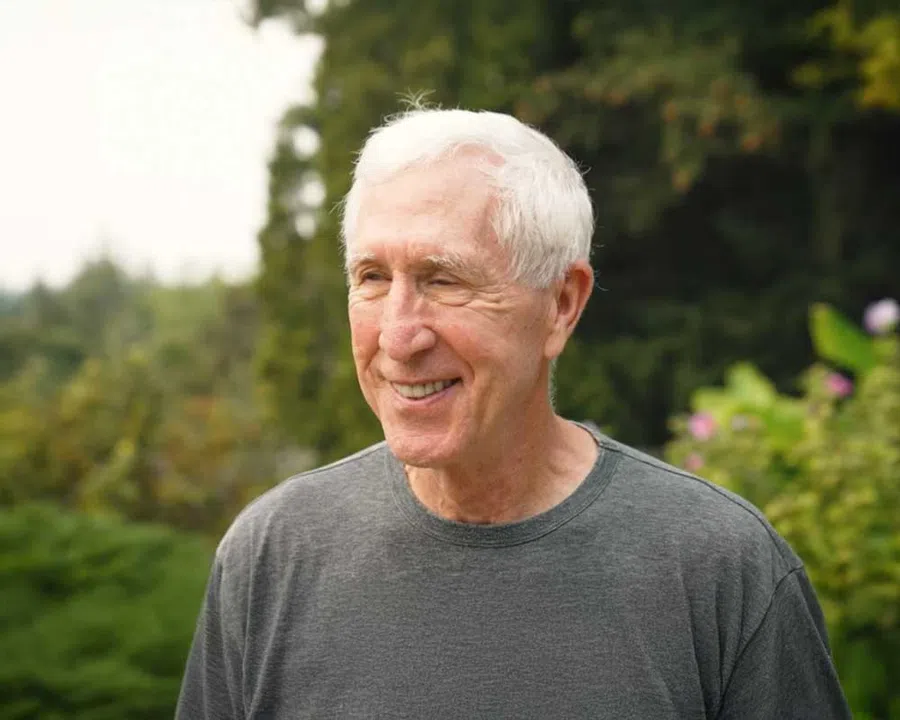
Compassionate Senior Dentistry in Tigard for Healthy Smiles at Every Age
At Premier Dental & Implants, we provide compassionate senior dentistry in Tigard, which helps older adults maintain comfort, function, and confidence in their smiles. Whether you need preventive care, restorative treatment, or assistance managing age-related dental concerns, our team is here to support your long-term oral health with personalized care.
Senior dentistry can help patients:
- Maintain healthy teeth and gums later in life
- Improve chewing comfort and nutrition
- Replace missing teeth for better function
- Address dry mouth and medication-related concerns
- Preserve confidence with a healthy smile
We believe every patient deserves to feel heard, respected, and cared for. Our welcoming environment and gentle approach help seniors feel comfortable during every visit.
Dental Care Options for Older Adults
Senior dentistry at our office includes a wide range of preventive and restorative services designed to address the changing needs of aging smiles. Routine exams and professional cleanings remain essential for preventing cavities, gum disease, and tooth loss. Early detection of dental problems allows treatment to remain simpler and more conservative whenever possible. Senior-specific care often includes:
Tooth Replacement - Missing teeth can make chewing difficult and may also affect speech and facial appearance. We offer several replacement options, including implant-supported restorations that provide excellent stability and comfort.
Dry Mouth - Often caused by medications or certain health conditions, reduced saliva flow can increase the risk of tooth decay and oral discomfort. Our team can recommend treatments, hydration strategies, and preventive products to help manage dry mouth symptoms effectively.
Comfortable & Accessible Care - We understand that dental anxiety may also increase with age, particularly for patients who have experienced extensive dental treatment in the past. Our sedation options help to create a calm and supportive experience.
If you are looking for trusted senior dentistry in Tigard, our team is here to provide compassionate care tailored to your needs.
$79 New Patient Exam & Consultation
Includes Detailed Exam With High-Tech Equipment
Get a new patient comprehensive dental exam and consultation with Dr. Williams or Dr. Madani. It includes a detailed inspection of your mouth using a miniature video camera, laser-diagnosed cavity detection, gum disease and oral cancer screening, plus all necessary digital imaging.
This offer is available to new patients without insurance. Dental cleaning is not included in the special offer. This offer carries no cash value and cannot be combined with any other offer or dental insurance. Offer available for a limited time only.
Find Out What Our Patients are Saying
We're always honored when patients take the time to share their experiences with our practice. Find out what people are saying about their visits with us. You'll discover why our office is a trusted choice for dental implants, cosmetic treatments, and other oral care.
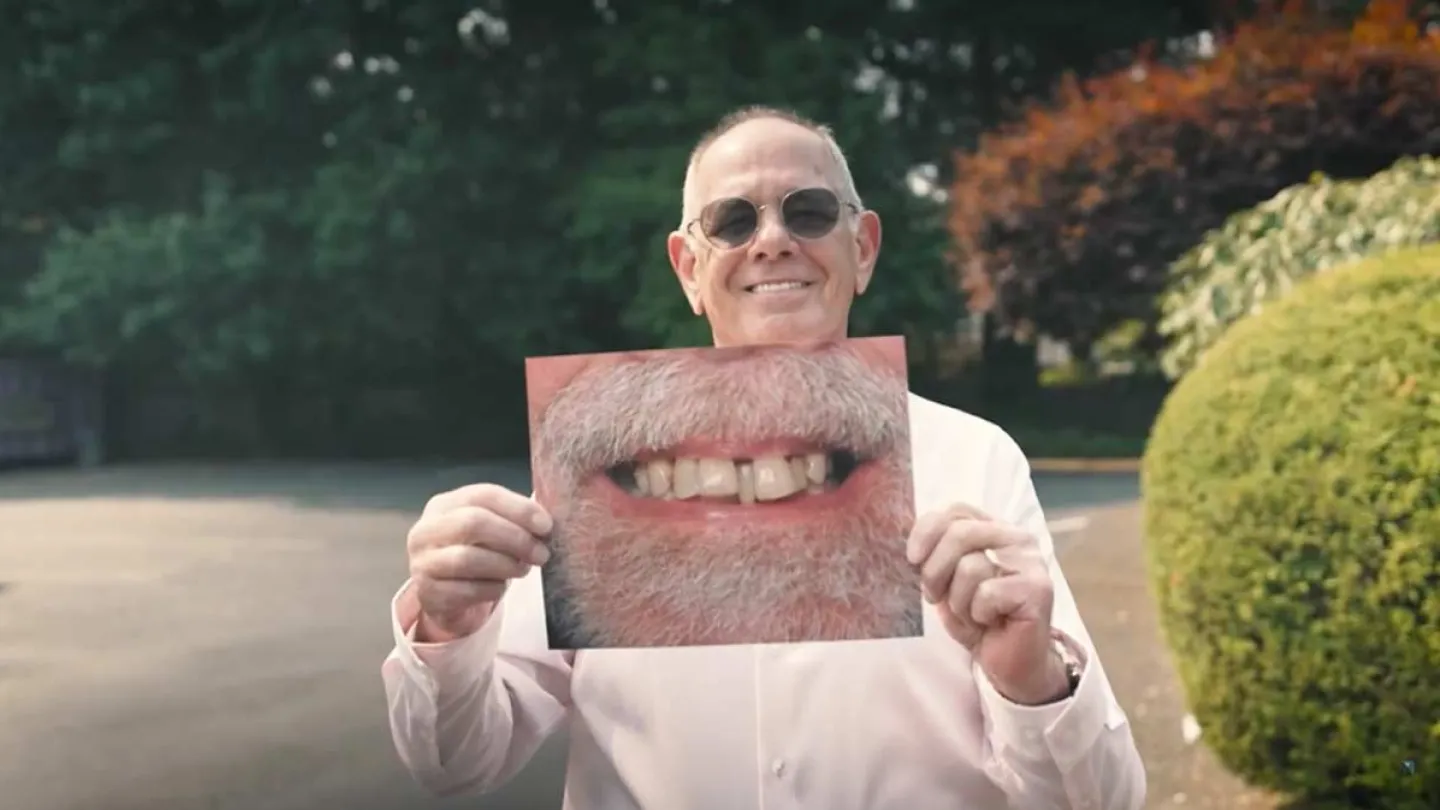
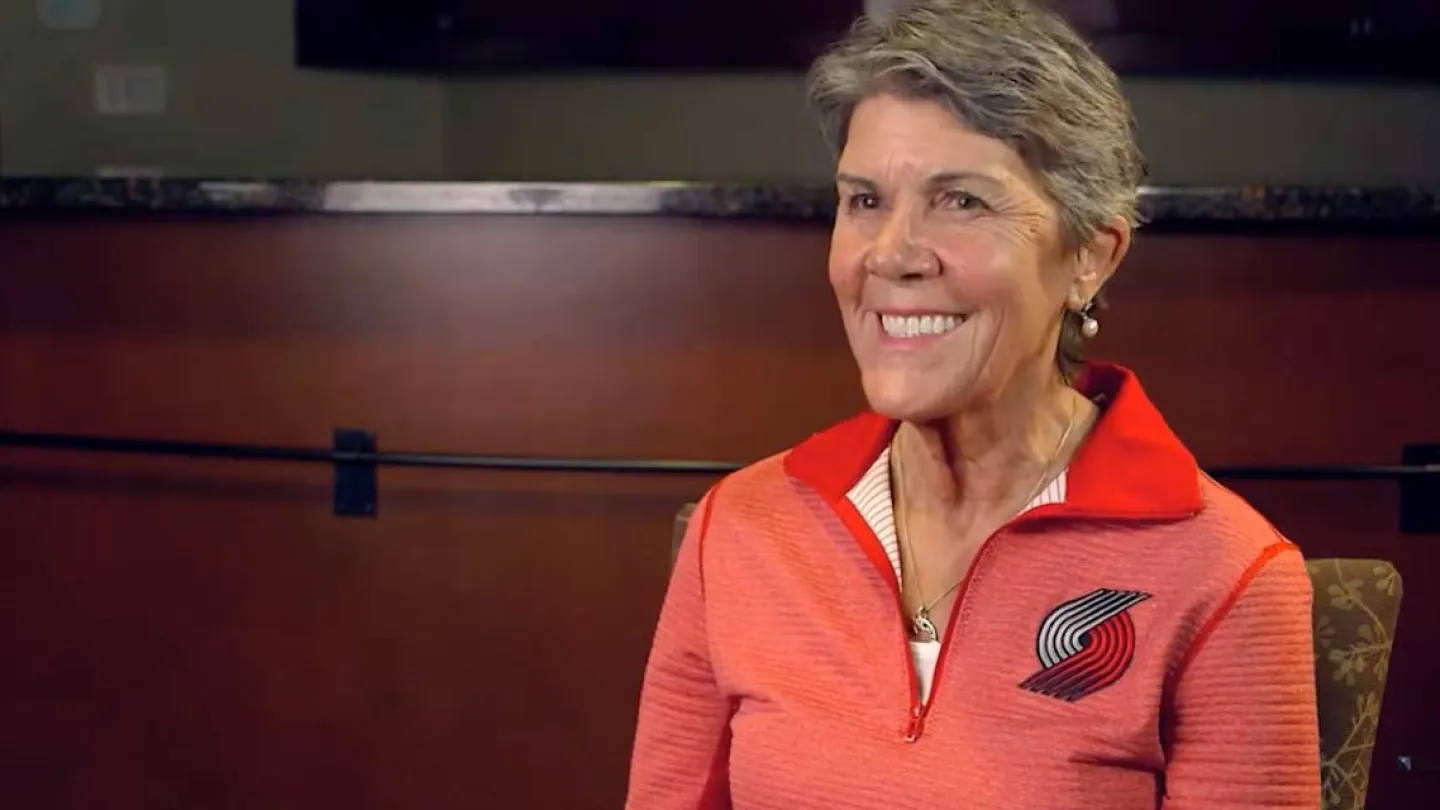
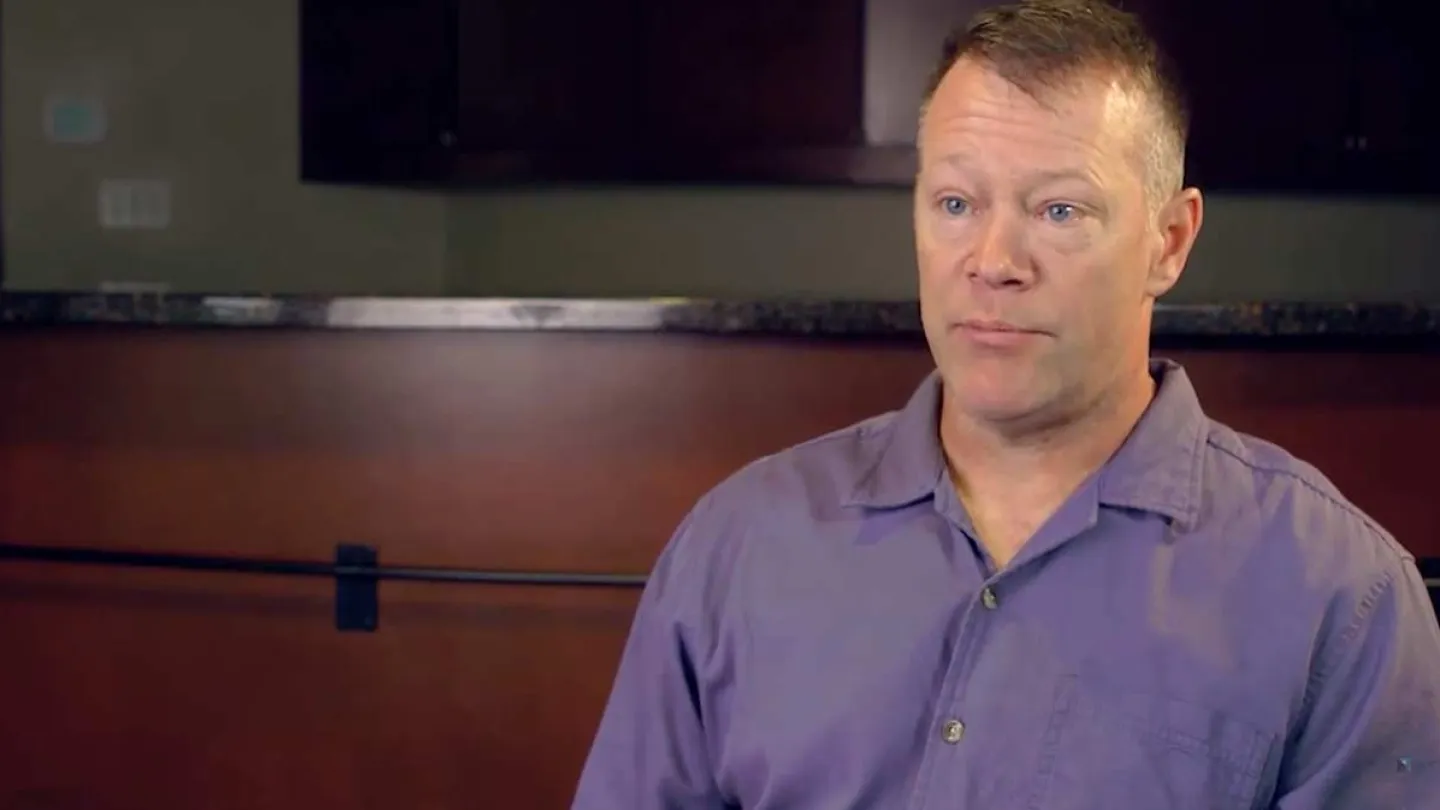
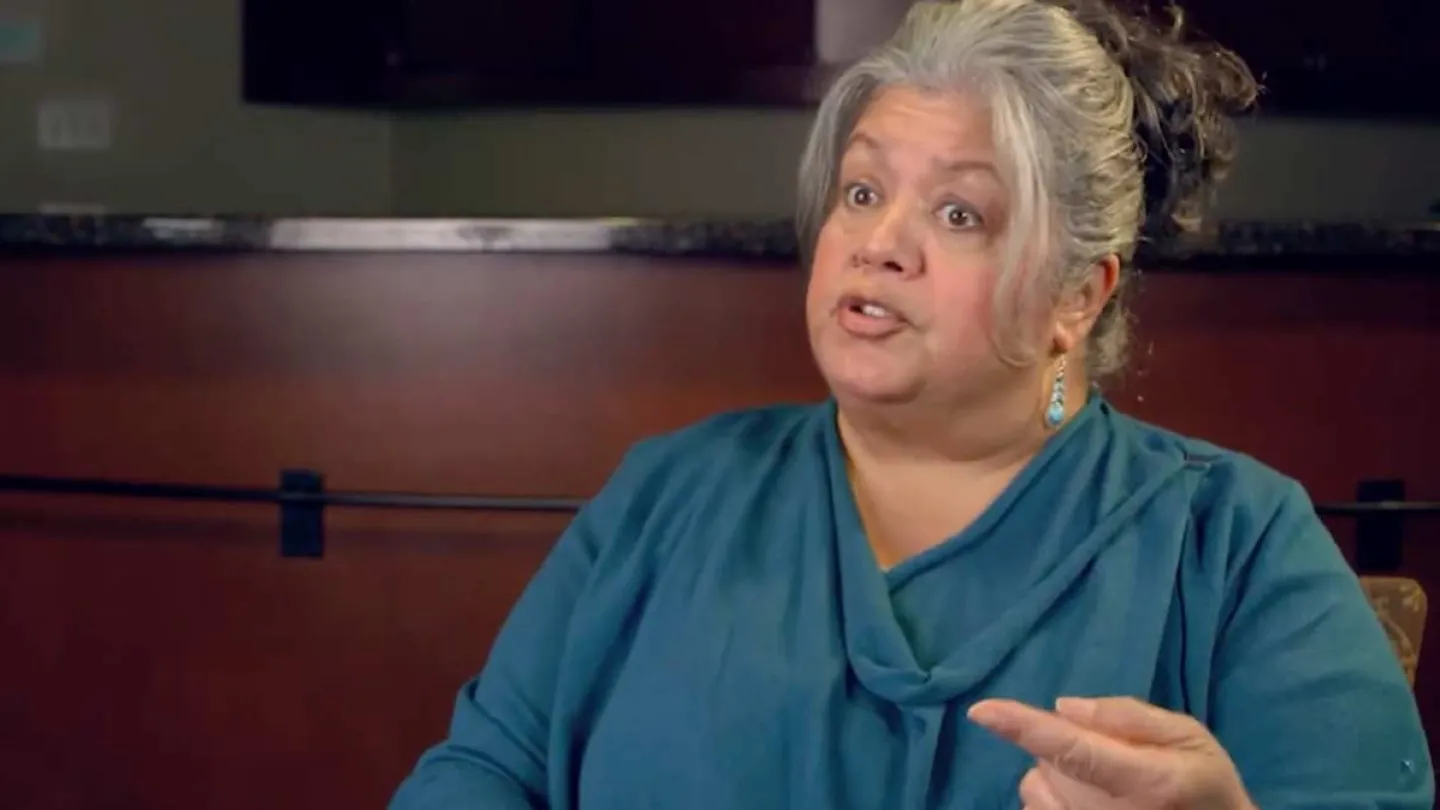

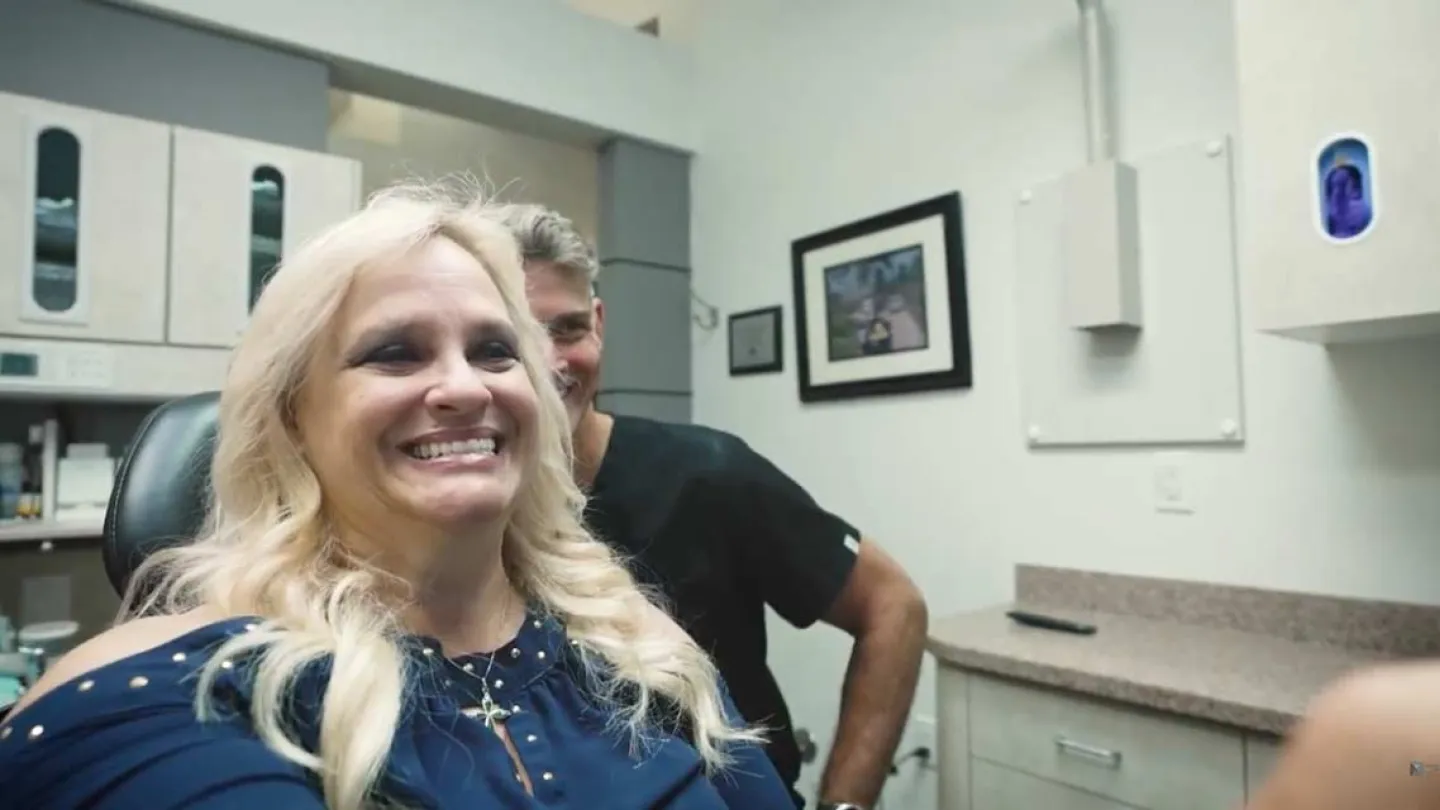
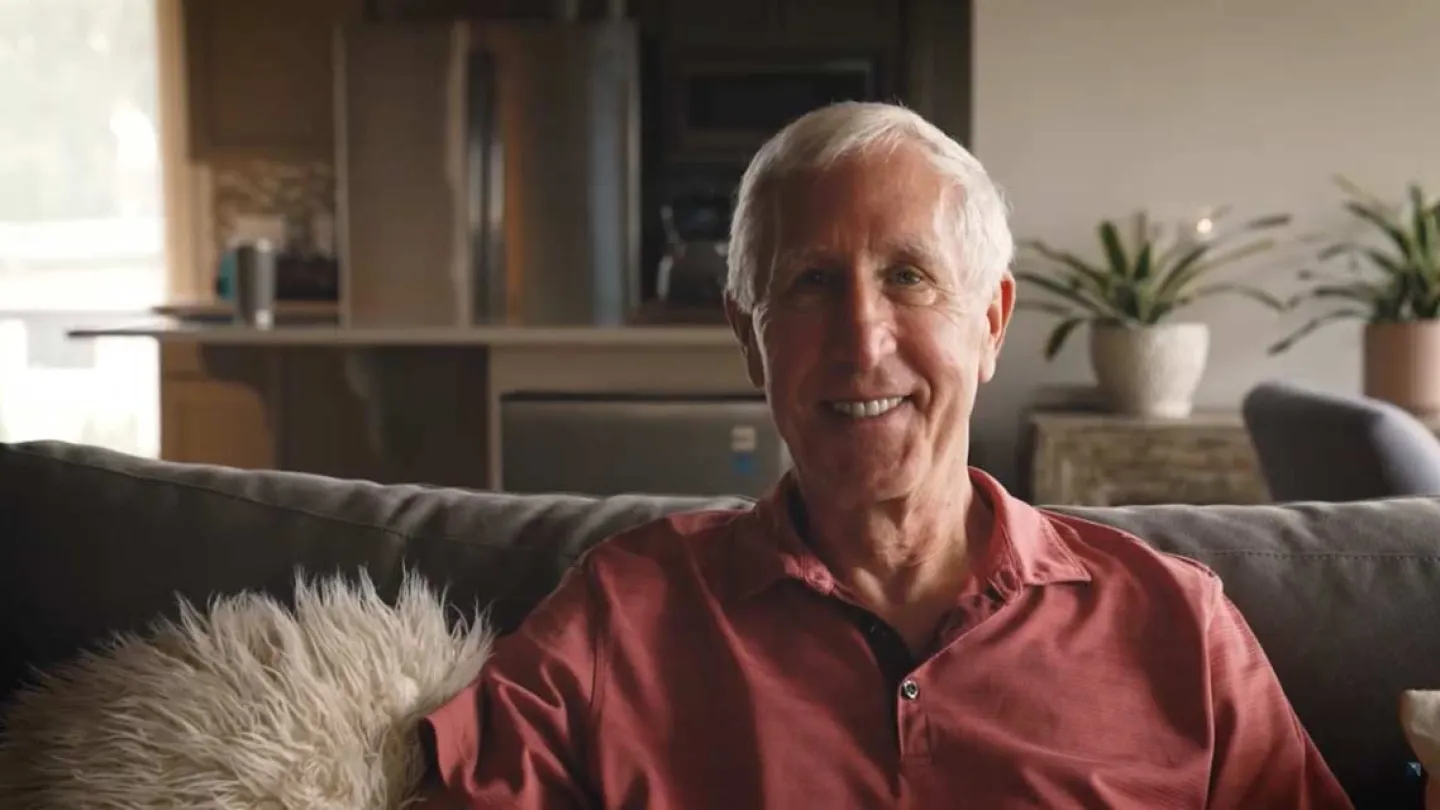
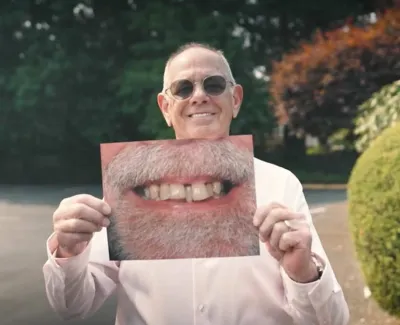
Overcoming Dental Fear and Restoring His Smile
– Steve
Same-Day Crowns
– Dave S.

Why He Keeps Coming Back to Premier Dental
– Gene P.

Her Dental Implant Experience with Dr. Williams
– Louise L.
Quality Care with Dr. Williams
– Richard P.
Her Implant Experience
– Rosemary V.

From Embarrassment to Empowerment with Implants
– Ron
Implants Restored Her Smile and Confidence
– Annette
How We Helped Doug Smile, Laugh, and Eat Again
– Doug
Common Questions About Senior Dentistry
Why is senior dentistry important?
Senior dentistry focuses on the unique oral health needs that develop as patients age. Older adults may experience issues such as gum disease, tooth loss, dry mouth, worn restorations, and medication-related oral complications. Regular dental care helps prevent these problems while supporting overall health and quality of life. Healthy teeth and gums make it easier to eat comfortably, speak clearly, and maintain confidence. Preventive care also allows dentists to detect concerns early before they become more serious or costly to treat.
What dental problems are common among seniors?
Many seniors experience dental concerns related to aging, medications, or chronic health conditions. Common issues include gum disease, dry mouth, tooth decay, worn teeth, loose dentures, and missing teeth. Certain medications may reduce saliva production, increasing the risk of cavities and oral discomfort. Seniors may also experience bone loss or changes in gum tissue over time.
How often should seniors visit the dentist?
Most seniors should visit the dentist every six months for exams and professional cleanings, although some patients may benefit from more frequent visits. Patients with gum disease, dry mouth, dental implants, or complex restorative needs often require additional monitoring and maintenance. Routine dental care helps prevent infections, detect oral cancer, and identify issues before they become severe.
Can seniors get dental implants?
Yes, many seniors are excellent candidates for dental implants. Age alone does not prevent patients from receiving implants as long as they have adequate bone support and good overall health. Dental implants can replace missing teeth with stable, natural-looking restorations that improve chewing ability and speech. Many older adults choose implants because they offer greater comfort and stability than traditional dentures. Implants may also help preserve jawbone health and facial structure over time.
What causes dry mouth in seniors?
Dry mouth is extremely common among older adults and is often linked to medications, medical conditions, or reduced saliva production associated with aging. Saliva plays an important role in protecting teeth and gums, so reduced saliva flow can increase the risk of cavities, gum disease, bad breath, and oral discomfort. Patients may notice difficulty swallowing, speaking, or wearing dentures comfortably. Treatment options may include hydration strategies, saliva substitutes, fluoride products, and adjustments to oral hygiene routines.
Can gum disease affect senior health?
Yes, gum disease can impact both oral and overall health, especially in older adults. Research has linked periodontal disease to health conditions such as heart disease, diabetes, stroke, and respiratory illness. Gum infections may increase inflammation throughout the body and make certain medical conditions more difficult to manage. Untreated gum disease can also lead to tooth loss and difficulty chewing nutritious foods.
Are dentures still a good option for seniors?
Dentures remain an effective and affordable tooth replacement option for many seniors. Modern dentures are more comfortable and natural-looking than ever before, helping patients restore chewing function and confidence after tooth loss. Depending on a patient's needs, options may include full dentures, partial dentures, or implant-supported dentures for improved stability. Properly fitted dentures can improve speech, facial support, and nutrition by making eating easier.
How does aging affect oral health?
As patients age, they may become more vulnerable to gum recession, tooth wear, dry mouth, and oral infections. Years of chewing, grinding, and previous dental work can place additional stress on teeth and restorations. Certain health conditions and medications may also influence oral health. Despite these challenges, maintaining healthy teeth and gums is absolutely possible with proper care and regular dental visits.
Is dental care safe for medically compromised seniors?
Yes, dental care can be safely provided for medically compromised seniors when treatment is carefully planned and personalized. Our dental team reviews medical histories, medications, and physician recommendations before beginning treatment. Conditions such as diabetes, heart disease, osteoporosis, or mobility limitations may require modifications to dental care or additional precautions. Communication between healthcare providers helps ensure patient safety and comfort throughout treatment.
What services are included in senior dentistry?
Senior dentistry includes preventive, restorative, and cosmetic services tailored to the needs of older adults. Common treatments include exams, cleanings, fillings, crowns, dentures, dental implants, periodontal therapy, and dry mouth management. Oral cancer screenings and restorative care for worn or damaged teeth are also important components of senior dental care. Some patients may need specialized treatment planning due to medical conditions or medications.